
Looking at Property in Kenya From Abroad? What Should You Check Before You Go Further?
Property decisions can move quickly when you are looking from abroad. Before money changes hands, slow the process down long enough to understand what you are actually looking at and who is independently checking it.
Africa Connector · 4 September 2026
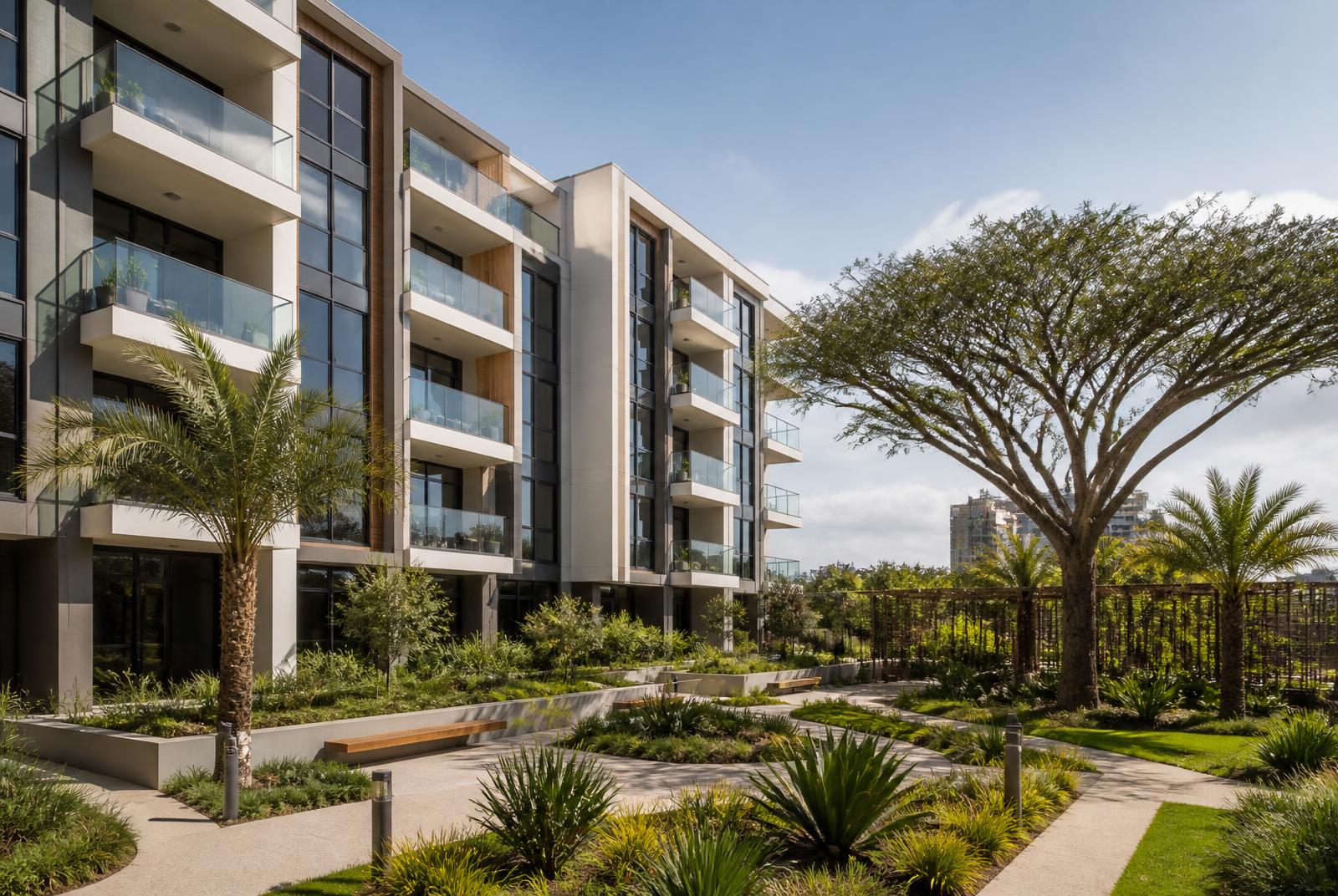
Property can move surprisingly quickly from curiosity to serious conversation.
You see an apartment online. Someone sends you a development on WhatsApp. A friend mentions land. An agent shares photographs. The numbers look interesting, and before long you are discussing deposits, rental income or completion dates.
If you are sitting thousands of kilometres away, however, there is one useful discipline:
Slow the decision down long enough to verify what you are actually looking at.
That is not advice specific to Kenya. Property deserves proper verification anywhere. Distance simply makes it easier to rely heavily on what someone else has chosen to show you.
Start with the property, not the photographs
Good property photography has one job: make you want to see more.
Let it do that.
Then begin asking different questions.
Where exactly is the property?
Who owns it?
Who is selling it?
What documentation supports that?
If it is a development, who is the developer and what is the current construction status?
If someone says the property is ten minutes from a particular landmark, what does that route actually look like?
What is immediately around it?
A physical visit can reveal very ordinary things that never make it into a listing: road access, neighbouring construction, noise, the condition of common areas, traffic, drainage, surrounding buildings and how the location actually feels.
None of these automatically makes a property good or bad. They give you a fuller picture of what you are considering.
A site visit should answer practical questions
Suppose you are considering an apartment as a part-time Nairobi home and hope to rent it when you are away.
The conversation should go further than the purchase price.
Who would manage the apartment while you are abroad?
What are the service charges?
What do those charges cover?
Are short-term rentals permitted by the development?
What are comparable properties actually renting for?
What occupancy assumptions are being used if someone has shown you projected returns?
Who deals with maintenance?
How will you receive updates when something goes wrong?
The answers can materially change how attractive a property is.
An investment that works beautifully on a spreadsheet still has to operate as a real property in a real building.
Know who is advising you, and what their role is
One of the easiest mistakes in a property transaction is treating everyone involved as though they are doing the same job.
They aren’t.
An agent may help identify and negotiate a property.
A valuer can provide an independent professional opinion on value.
A surveyor may be relevant to boundaries and other land matters.
A property manager looks at the practical business of managing the property.
An independent Kenyan property lawyer protects the client’s legal interests and handles the appropriate legal due diligence and transaction work.
Depending on the property, other specialists may also be needed.
It is worth understanding who represents whom.
The person selling the property is trying to complete a sale. That is perfectly normal. It simply means the buyer should also have independent professional advice.
If you are not a Kenyan citizen, understand the legal position early
This is one area where informal advice is particularly unhelpful.
Article 65 of Kenya’s Constitution provides that a person who is not a citizen may hold land only on the basis of leasehold tenure, and that the lease may not exceed 99 years.
That is an important starting point, but it should not be treated as a substitute for advice on a particular property or transaction.
Property type, title, ownership structure and individual circumstances can introduce questions that need to be reviewed properly.
If you are buying from abroad, engage an independent Kenyan property lawyer before committing substantial funds.
“Someone checked it for me” needs to mean something
If you cannot physically visit the property yourself, having someone on the ground can be useful.
But be specific about what you want checked.
“Please go and see the apartment” is vague.
A better assignment might include photographs and video of the building and surrounding streets, confirmation of the development’s physical location, questions for the agent or developer, a look at common areas, access roads and parking, and a written summary of what was observed.
That still isn’t legal due diligence, a valuation or a structural inspection.
It is local observation.
Knowing the difference matters.
The person on the ground can also coordinate with the professionals who are qualified to deal with the areas that require specialist advice.
Don’t let distance create urgency
There is an interesting psychological effect when buying property from abroad.
You cannot simply jump into the car and go back tomorrow. Information arrives through calls, photographs, PDFs and WhatsApp messages. When someone says another buyer is interested, it can create pressure to act before you feel you have the full picture.
Sometimes there genuinely is another interested buyer.
That still doesn’t make incomplete due diligence complete.
There will always be another property.
The objective is not to be the fastest person to send money. It is to understand what you are buying, who you are dealing with and which independent professionals need to be involved before you commit.
Need someone on the ground in Kenya?
Tell us what you’re trying to do.
Tell Us What You Need